A month has passed since I returned from Japan, and my suitcase is finally empty—of souvenirs, at least. The KitKats have been distributed (Wasabi-flavored ones met with polite horror, Matcha & orange flavoured ones with eager hands), fridge magnets have claimed their rightful places, and the last onigiri, lovingly transported, has been consumed in an act of quiet mourning.
And yet, I keep wondering: how much of Japan did I bring back with me, and how much of me did I leave behind?
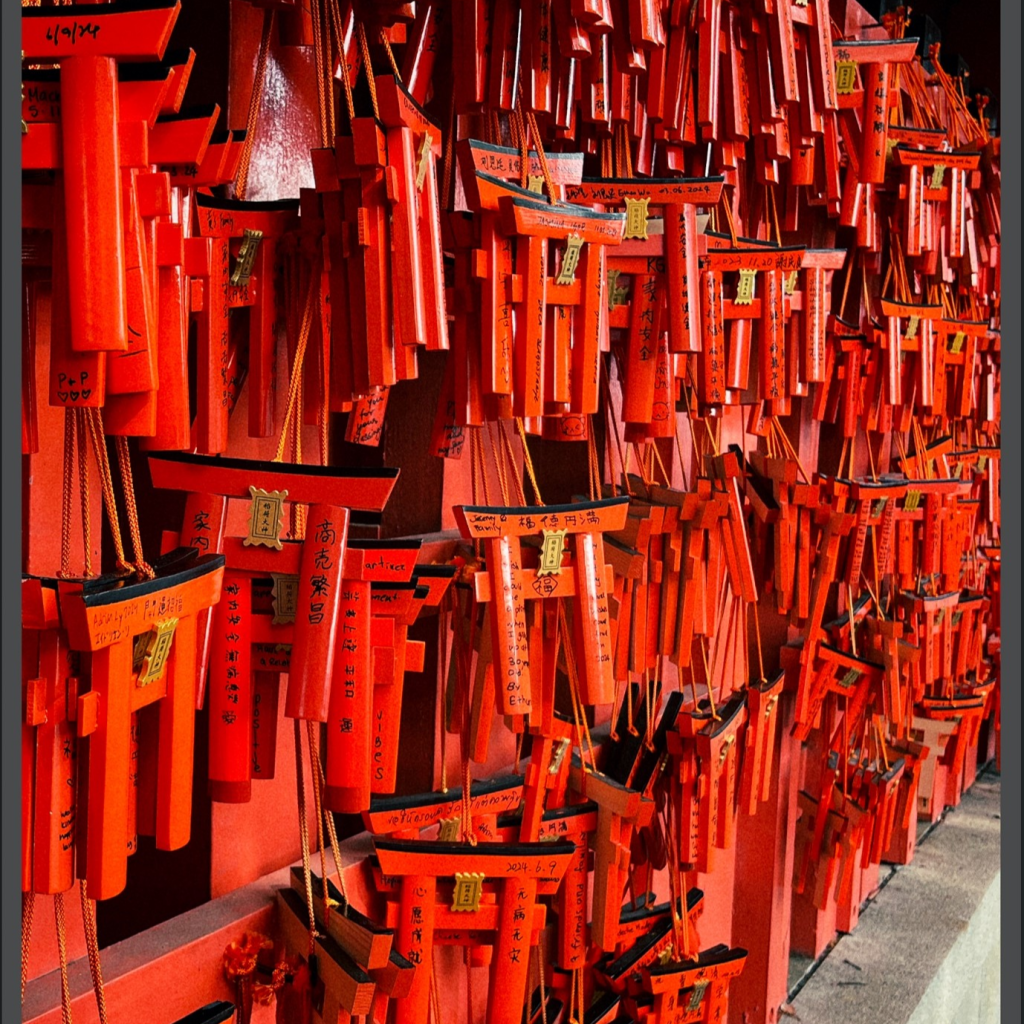
Japan, you see, is a place you experience in two ways. There’s the Japan you see—the one that changes from city to city, from the neon dreams of Tokyo to the quaint wooden teahouses and ancient streets of Takayama, from the towering peaks of Shinhotaka to the deer-friendly parks of Nara. The Japan of an itinerary that reads: Tokyo-Kanazawa-Takayama-Shirakawago-Shinhotaka-Kyoto-Nara-Osaka. But then, there’s the Japan you feel—the one that exists across all these places, in the small, often mundane details that stitch together an ineffable sense of calm, of kindness, of things working just as they should.
Take, for instance, the unspoken symphony of orderliness. In Tokyo, a city with the energy of ten metropolises, there were no honking cars, no chaotic queues, no impatient shoving. People stood in neat lines at train platforms without being told, escalators had a silent consensus—stand on the left, walk on the right. Every public utility seemed designed with a touch of foresight and quiet empathy: grating covers beneath trees to protect their roots, handrails discreetly placed at the back of chairs, birdsong at traffic signals to aid the visually impaired. The kind of details that don’t just make a place efficient but make it kind.

And then, of course, there are the little joys. The ones that sneak up on you, like the delight of traipsing through Tokyo’s streets at 3 AM, when the city doesn’t sleep, it just hums at a lower frequency. This is prime konbini time—the Japanese convenience store pilgrimage, where you hop from one 7-Eleven to a FamilyMart to a Lawson, as if each held a new set of treasures. And they do.
I discovered an unexpected love for the humble onigiri, the perfectly portable rice ball wrapped in crispy seaweed, stuffed with fillings that ranged from safe (tuna mayo) to adventurous (mentaiko, spicy cod roe, which I approached with both reverence and fear). There was kara-age, the fried chicken that somehow managed to be crispier, juicier, and more satisfying than any fast food chain could ever dream of achieving. And then, the sweets: delicious Hokkaido rolls that made me regret not happing Hokkaido on the itinerary, Meiji Kinoko no Yama—mushroom-shaped biscuits dipped in chocolate, Crunky chocolate bites, Toppo (the inside-out cousin of Pocky), and mochi, pillowy rice cakes with gooey fillings. And if you’re feeling beat after all the walking, a konbini staff member will likely recommend the best pocari sweat (electrolyte drink) for recovery.
In Japan, rain is no inconvenience. Convenience stores sell umbrellas for a few hundred yen, and outside every shop, you’ll find either an umbrella stand or plastic umbrella sleeves to prevent water from dripping indoors. You’ll never see a trail of wet footprints inside a mall.

But Japan’s charm isn’t just in what you eat—it’s in what surrounds you. Vending machines, for instance, are more than just snack dispensers; they’re an entire ecosystem of convenience. You can get hot coffee in winter and ice-cold drinks in summer, but also fresh eggs, ramen kits, umbrellas, and even flowers. Some machines even offer warm corn soup—a comforting surprise on a chilly day.
And then, there’s the symphony of public transport, a masterpiece of precision. Trains don’t just run on time; they redefine the meaning of punctuality. If a train is even a minute late, an apology is issued. If you’re running late, you can get a 遅延証明書 (chien shoumeisho), an official “delay certificate” to show at work or school. Inside the trains? Absolute silence—no loud conversations, no phone calls, just the hum of efficiency.
And what pairs perfectly with a train ride? A bento box from the station. Each train station has its own specialty ekiben, carefully curated lunchboxes filled with local delicacies. These are not just meals; they’re an edible introduction to the region you’re traveling through. Unwrapping a beautifully packed bento on a speeding shinkansen feels like opening a tiny, delicious gift.

Even outside the trains, Japan’s streets are eerily quiet. A side effect of this is that when you hear something—wind rustling through bamboo, the distant chime of a shrine’s bell—it feels profound.
And then, there’s Don Quijote—or Donki, as the locals call it. A wildly entertaining, chaotic, and deeply emblematic part of Japan’s retail culture. It’s a discount store, but calling it that undersells the experience—it’s more like a sensory overload wonderland where you can buy anything. Imagine a store where every inch of space is crammed with things you didn’t know you needed. This is the place for gag gifts and bizarre discoveries—face-slimming masks, cat paw gloves, toilet paper with printed kanji lessons, and even canned omurice (omelet rice). Every visit feels like a mini treasure hunt. The signage is loud, colorful, and often slightly overwhelming—somehow, it all just works. Many Don Quijote stores are open 24/7, making them perfect for a spontaneous 2 AM adventure. If you thought convenience stores were a treasure hunt, Donki takes it up several notches. Need a kimono at midnight? A giant stuffed penguin at 3 AM? A suitcase because you over-shopped? Donki has your back. And then, of course, there’s the Don Quijote theme song—a relentlessly catchy jingle (“Don, Don, Don, Donki, Donki, Hōtei!”) that burrows into your brain and refuses to leave.
Perhaps the most surprising takeaway, though, is how Japan quietly changes your own habits. The Japanese concept of gaman—quiet endurance—is everywhere. No one complains loudly, people queue patiently, and even in a typhoon, you’ll see commuters calmly waiting at bus stops, umbrellas held just-so to avoid dripping on others.
There’s a saying that travel changes you, but Japan does something stranger—it doesn’t just change you, it makes you want to be better. To be more patient, more considerate, to find joy in the small things. And perhaps that’s the real souvenir I brought back—the hope that a little bit of Japan has stayed within me, quietly reshaping how I move through the world.