On July 16, 2005, I flipped through the Ahmedabad Times, eager to devour every word about the launch of Harry Potter & the Half-Blood Prince. Thirteen-year-old me, already the kind of child who had a poster of J.K. Rowling inside her cupboard, paused on a full-page image of the author. What was that incredibly elegant, striking jewellery around her neck?! That day, I think I fell in love with two other things—blue eyeliner and the Tiffany key pendant.
For years, I saw that pendant as a milestone marker, something to be earned through perseverance and success. Rowling won it with Harry. Unknowingly, I had absorbed exactly what the design was meant to embody—confidence, independence, and the spirit of self-made accomplishment. But to my young mind, brands like Tiffany’s were’nt just jewllery; they were an aspiration, a shimmering emblem of an exciting world of successful adults that seemed out of reach. It’s mildly embarrassing to remember that luxury stores, to my child self, were grand, intimidating spaces where one needed both the right bank balance and an air that they belonged.
It was with this apprehension that I once stepped into a Tiffany store in Singapore, my hair in a practical mom bun, wearing a comfortable summer dress, sneakers, smudged makeup, and carrying a three-month-old baby. I expected, at best, to be ignored. Instead, as I gazed at a display of key pendants—some studded with rubies, others with tsavorite and diamonds—I was greeted by an elderly gentleman behind the counter. His grandfatherly smile was warm, patient, and unhurried, a stark contrast to the brisk, transactional air I’d come to expect from luxury stores. His relaxed demeanour and happy smile seemed to say- Take your time. Enjoy the pieces. I’m just here to help!.
I smiled back, adjusting my cooing baby, and complimented the pendants. He spoke to me not as a potential sale but as an admirer of design, discussing the inspirations behind the pieces, the craft, the gemstones. Others soon joined him, offering to let me try on a few, undeterred when I mentioned I was just looking, uncertain about making a purchase. And when I left without buying anything, I walked out not feeling like I had cheated them of their time, but pleased with my experience.
Skepticism, however, is a stubborn thing. A one-off experience can be an anomaly. So when, a few years later, I found myself strolling along Rome’s Via dei Condotti, overpriced gelato in hand, I decided to test the waters again. This time, the baby in my arms had grown into a chocolate-smeared, wide-eyed toddler pressing sticky fingers against the Tiffany store’s glass door. If there was ever a time to be turned away, this was it. Yet, once again, I was met with warmth—genuine warmth. Though I couldn’t try anything on, given my son’s enthusiasm for turning everything into a playground, I left feeling the same quiet delight as before.
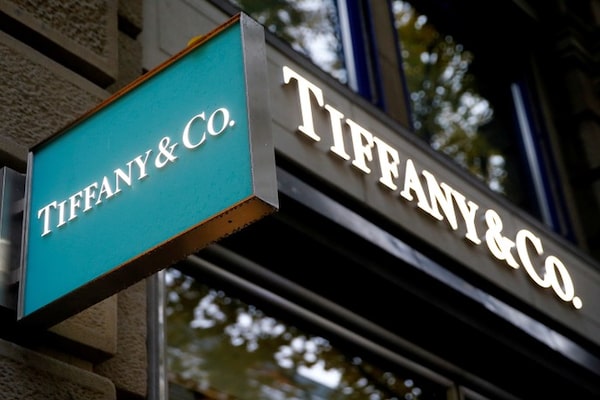
Last week, I walked into yet another Tiffany store—this time at the Chanakya, in my own city. Life had moved forward; I was now a customer who could, if she wished, make a purchase without hesitation. Yet, as I stepped in, I realized it wasn’t about that at all. It was about the feeling—the feeling of being welcomed into a place of enthusiasm and appreciation of beauty more than a place of cold, sterile commerce. And Tiffany’s, through and through, had mastered that art.
It reminds me of that scene from Breakfast at Tiffany’s, when Holly Golightly and Paul Varjak enter the store with just ten dollars to spend. Nervously, Holly asks if Tiffany’s would really engrave a ring from a Cracker Jack box, worried they might find it beneath them. The salesman, ever composed, reassures her: “Well, it is rather unusual, madam, but I think you’ll find that Tiffany’s is very understanding. If you tell me what initials you’d like, we could have something ready for you in the morning.”
With a delighted peck on his cheek, Holly exclaims, “Didn’t I tell you this is a lovely place!”
And that, I think, is the true essence of Tiffany’s. It isn’t just about jewelry; it’s about a quiet kind of magic—the kind that makes you feel, in the grand scheme of things, that the object is more beautiful than its possession.
I can’t help but feel that this is the kind of work that will stand the test of time. There’s a timeless quality to your writing that transcends trends and fads. It’s the kind of piece that people will look back on years from now and still find meaning in.